

STEM
Pi Reciting Competition
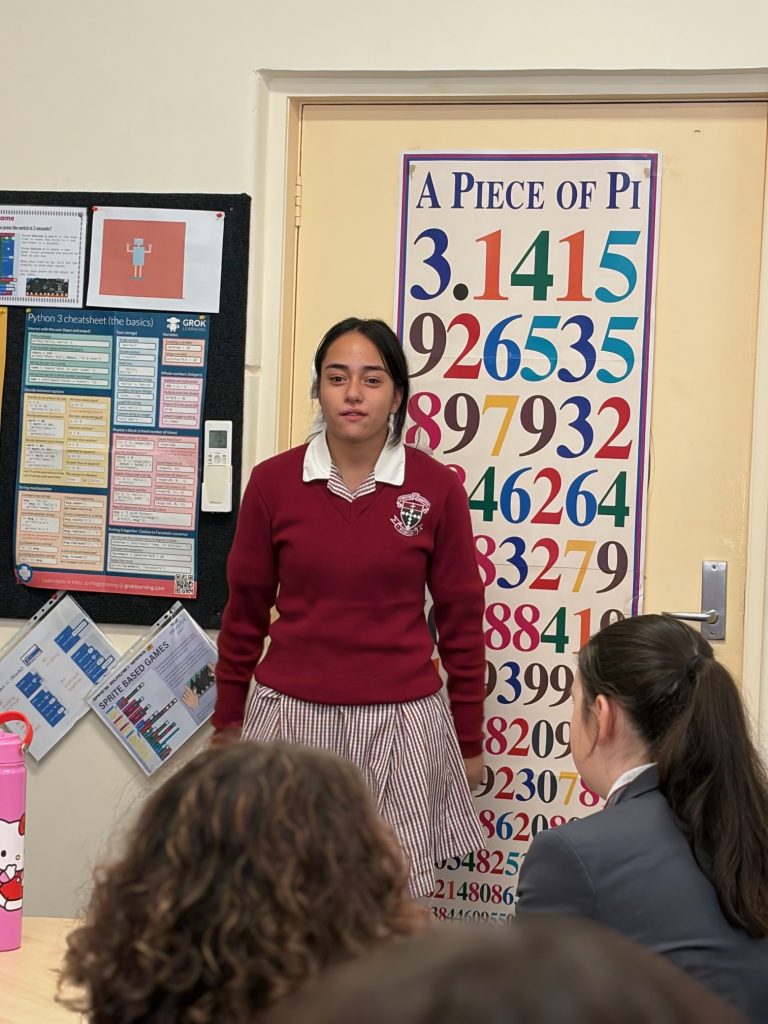
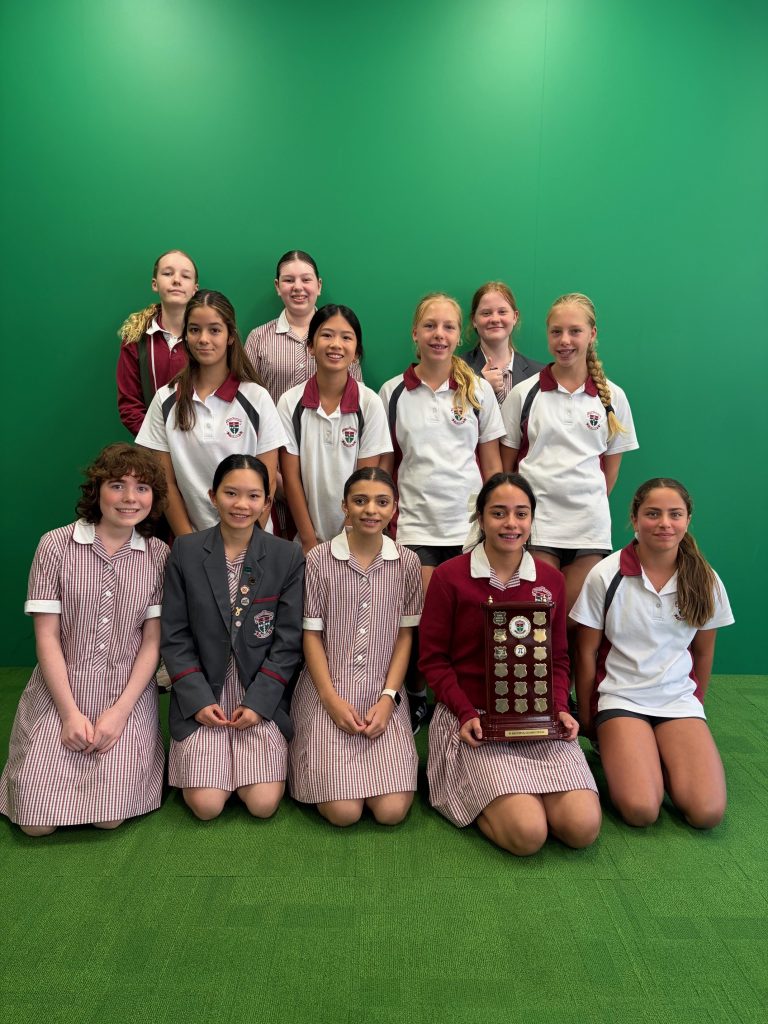
There have been many exciting STEM activities happening already at Kilbreda this year. To kick off the year we had the annual Pi Reciting Competition. This year we had 14 fearless students going head-to-head to compete for their name on the trophy. Special mention goes to Abbey M (Year 7) and Indigo M (Year 10), who came joint second with an incredible 118 places. However, it was Metua T (Year 8) who really brought the house down, breaking the school record and reciting to 162 places. Amazing to watch!
LEGO Masters Workshop
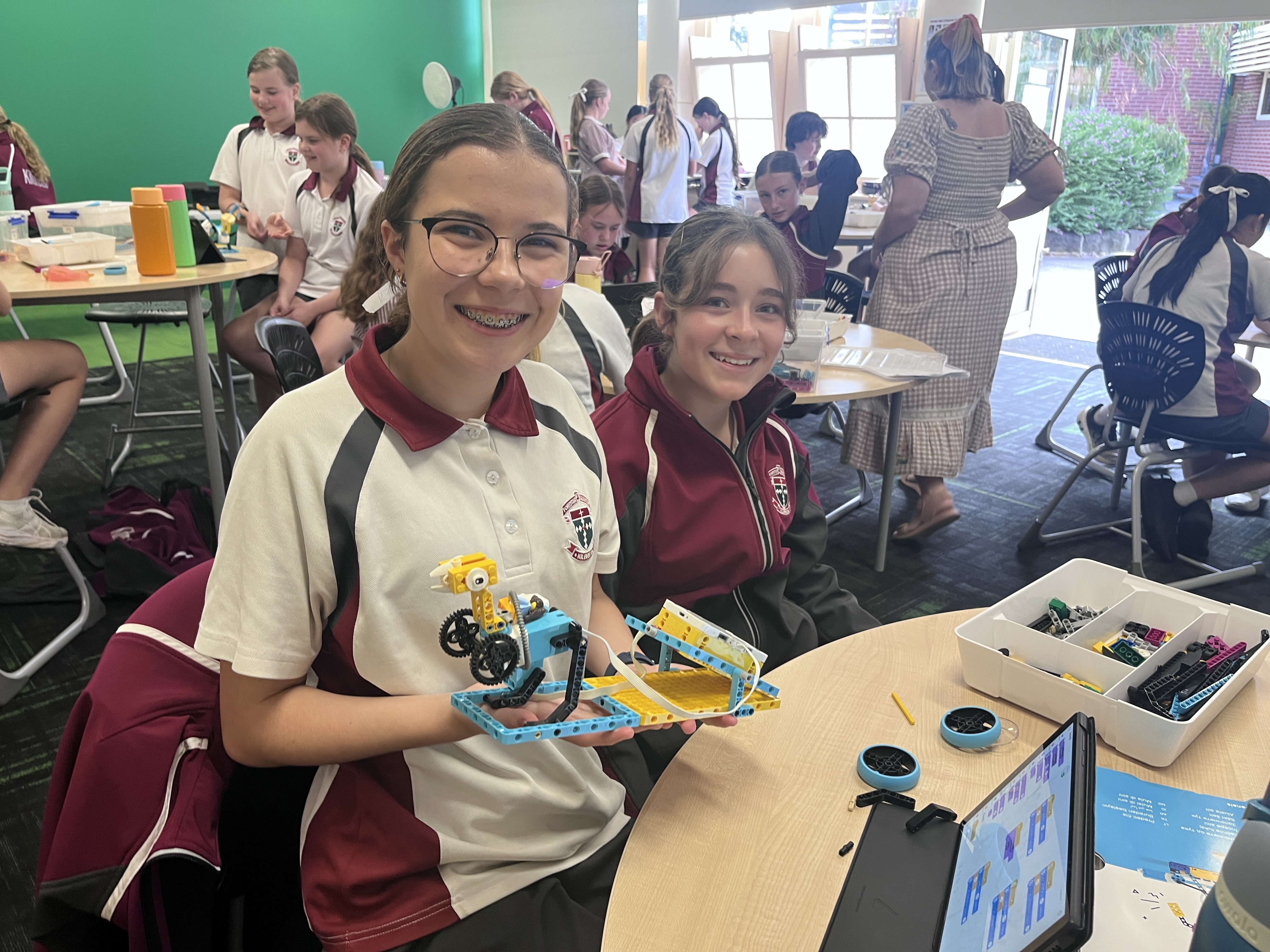
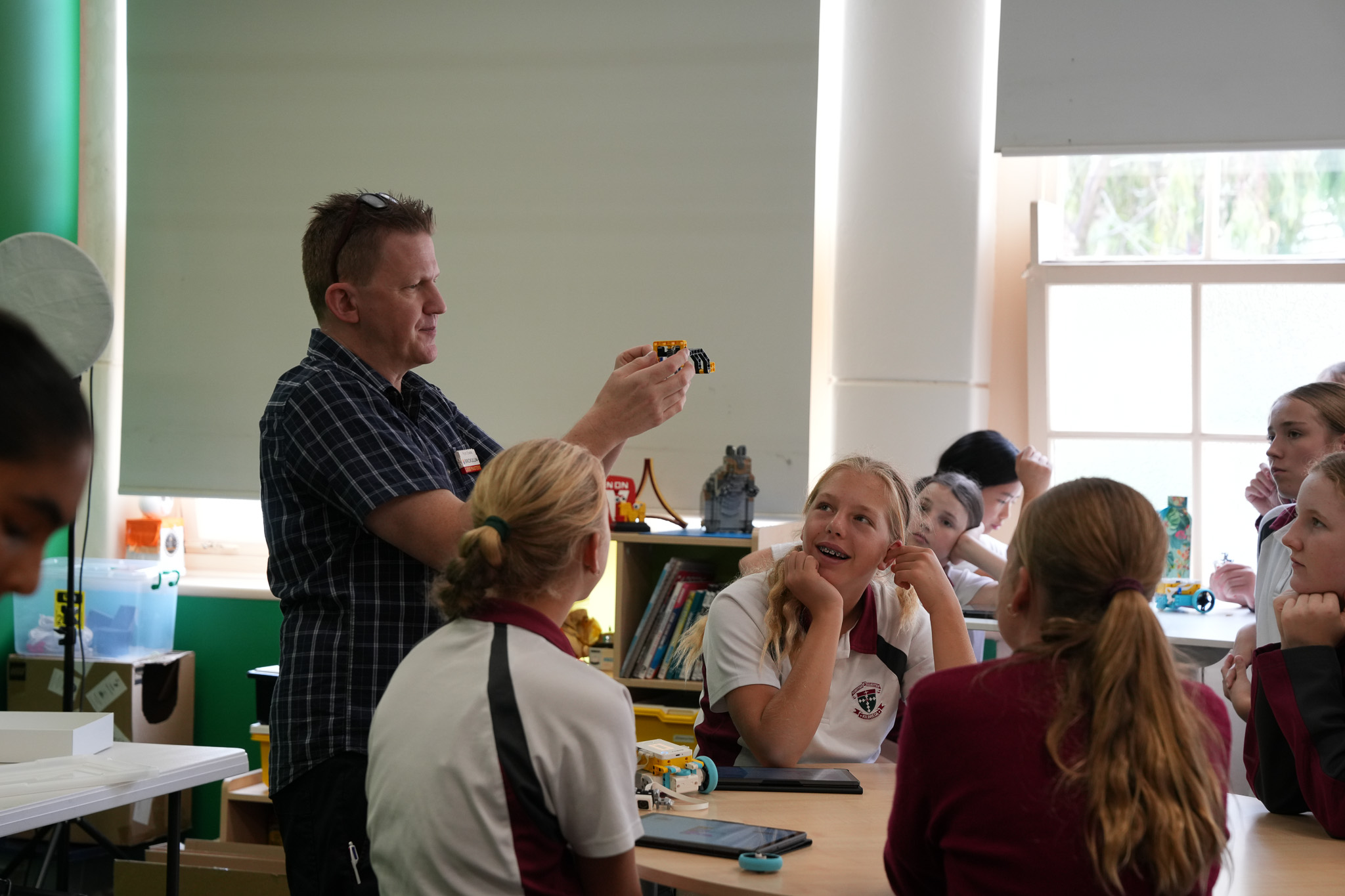
Some of our lucky LEGO fans from Year 7 and 8 recently took part in a full-day workshop with LEGO enthusiast Ryan Evans! Fans of Channel 9’s LEGO Masters might recognise Ryan from Season 3 – where he and his partner Gabby placed third – and again from Season 5.
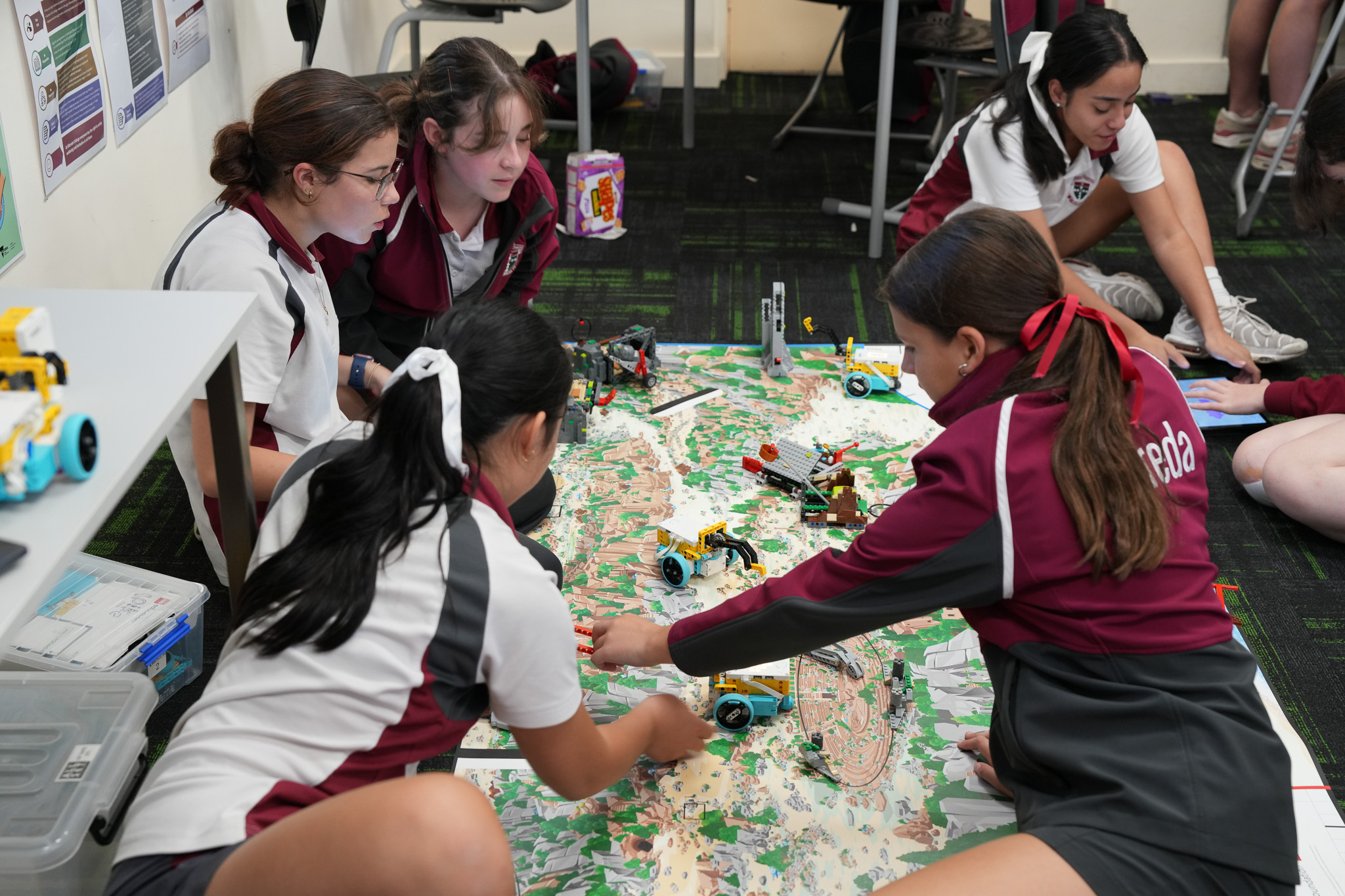
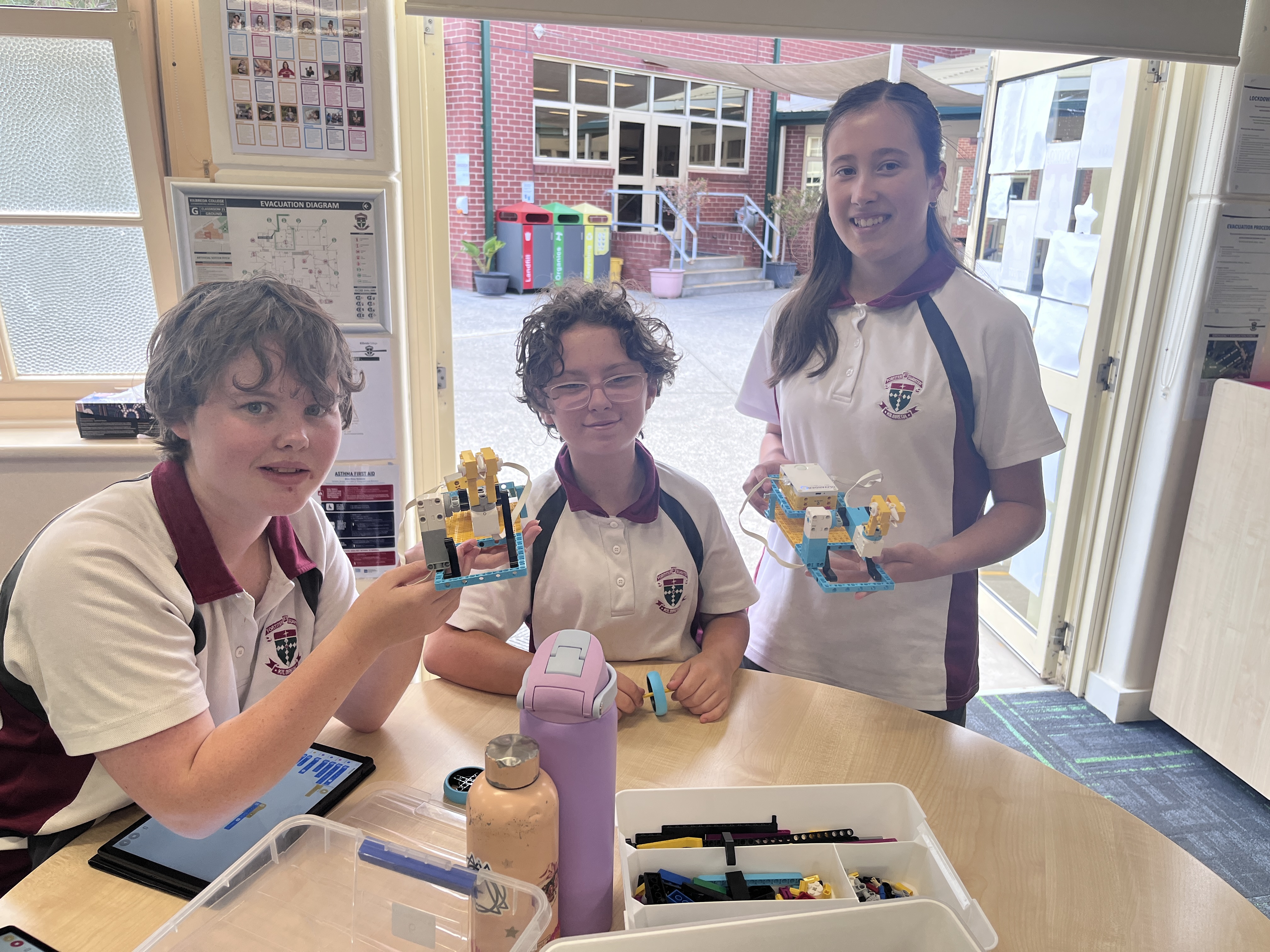
Throughout the day, students tackled First LEGO League robotic challenges, picked up new techniques, and built their own LEGO creations such as dancing robots and pecking birds. They also had the opportunity to build a robot to complete several First LEGO League challenges on the mats.
Students had the chance to chat with Ryan about his LEGO Masters experience and learn from the master. They got behind-the-scenes insights into what it’s like to compete on national television and bring big ideas to life under pressure.
Science Talent Search Launch
This year, we are thrilled to have 27 students competing in the Science Teachers’ Association of Victoria (STAV) Science Talent Search (STS).
STS is a competition open to all Victorian students and it’s been running for 75 years! You can compete in divisions such as inventions, creative writing, posters, games, working models, photography and much more. STS is for everybody: for those planning a career in sciences or technology, for those interested in scientific hobbies, or for those concerned enough to present a point of view about science through the medium of poster, essay, video, photography, games or computer programs.
The theme this year is: Seeds of Science – Nurturing Knowledge for All.
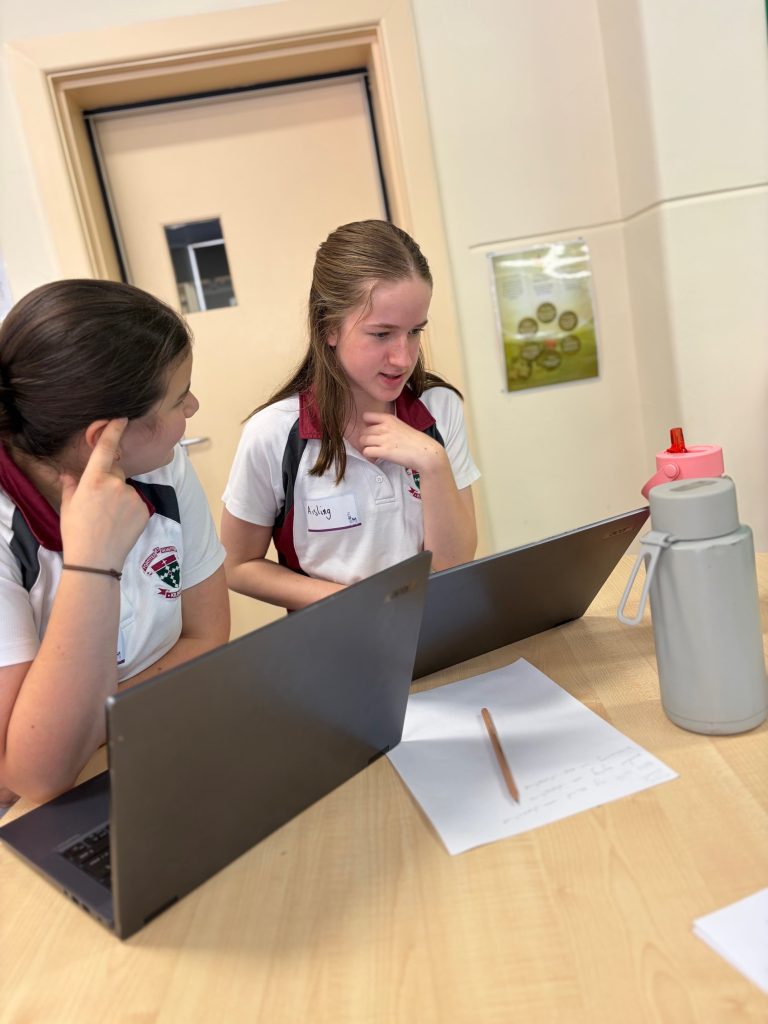
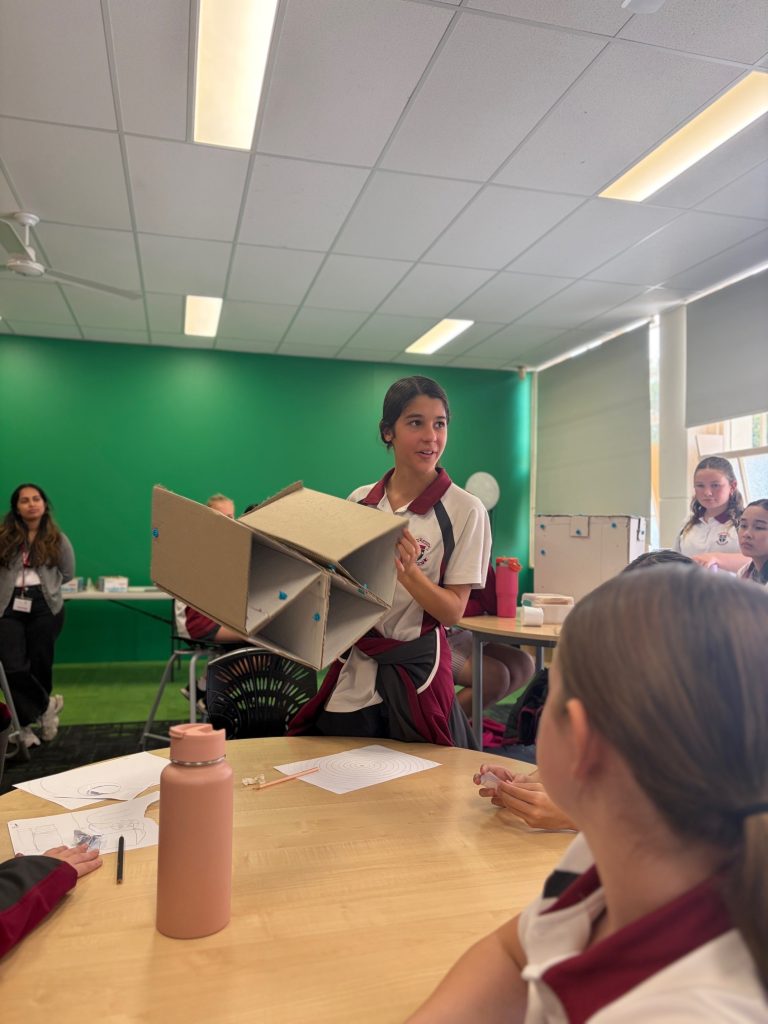
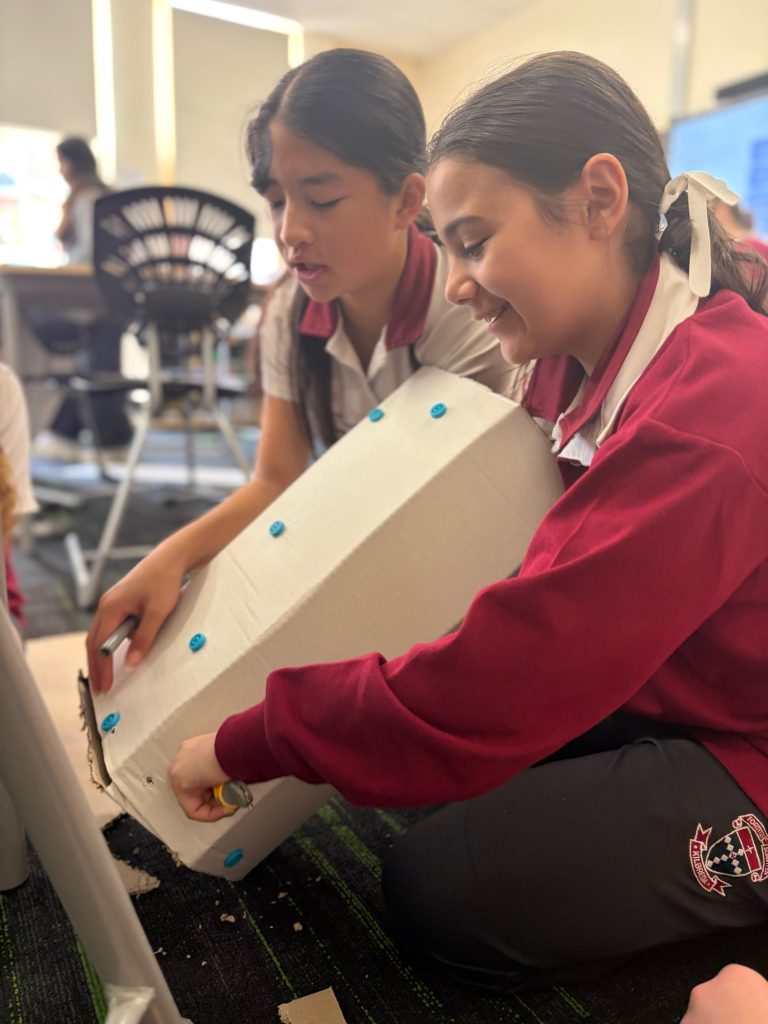
To get students’ STEM juices flowing, we launched the competition with help from Adam Oldmeadow of Akorn Education. The day began with a variety of challenges designed to teach engineering concepts and how scientific understanding can be used to help communities. Students faced the challenge of designing a structure to support a water tank and chairs that could be flat packed for use in emergency situations. Students showcased impressive amounts of creativity and ingenuity, so much so that we are considering sending some of the prototypes to CSIRO! The day ended with students brainstorming ideas for their own projects. We are very excited to see what Kilbreda competitors produce over the next few months.
Da Vinci Decathlon
We are proud to announce that Kilbreda is entering the Da Vinci Decathlon this year. We have two teams of eight students competing in this amazing competition designed to challenge and stimulate the minds of school students.
It is named after the famous Leonardo da Vinci (1452-1519) who was one of the world’s greatest thinkers and scholars. He demonstrated an ability to perceive the interconnected nature of knowledge and embraced learning with a lifelong passion and determination to uncover the unknown. The Decathlon competition places a particular emphasis on higher order thinking skills, problem solving and creativity.
Students compete in teams of eight across 10 disciplines: Engineering, Mathematics and Chess, Code Breaking, Art and Poetry, Science, English, Ideation, Creative Producers, Cartography and Legacy.
Best of luck to our two teams from Year 8 and 10 who will be heading to the competition on 7 May!
STEM Leaders Reports
We are very luck to have 3 incredible STEM Leaders for 2026: Bridget M, Madeline L and Savithma P.
Introduction 1: Bridget M
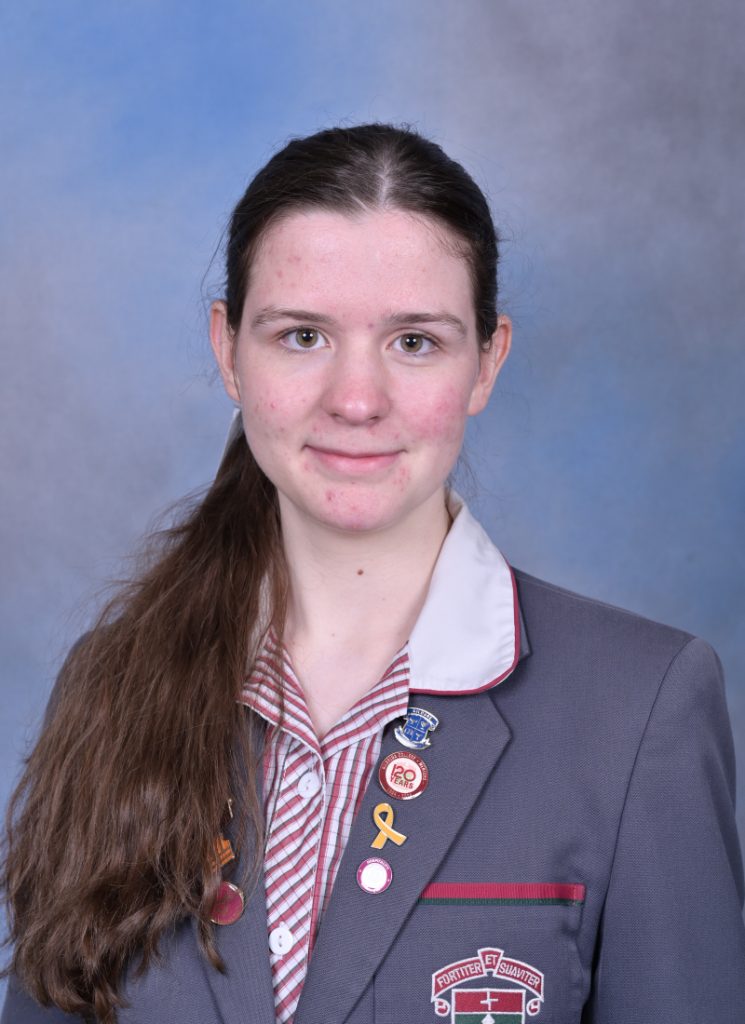
Hello! My name is Bridget, and I am lucky enough to be one of the STEM Leaders for 2026. As well as having done accelerated Biology in Year 11, the current STEM subjects I am taking are Chemistry, Physics and Mathematical Methods.
I would like to share my experience from doing STEM subjects, and hopefully also explain what I’ve learned from them. I think irrespective of whether or not you think you are ‘good’ at STEM subjects, every person has curiosity and some sort of desire to learn. Because of this, sometimes it is good to ignore one’s inhibitions in favour of simply trying something out. Ultimately, you really shouldn’t let something that appears challenging prevent you from exploring it for a time. It’s not a defeat if you drop it, but it is simply human nature to try it out first.
One such example for me was doing Physics. I had avoided the elective class in Year 10 and found in Science the years before that anything even rubbing elbows with Physics was something I disliked and was pretty terrible at. It helped no better that I saw it as this monolithic structure of incomprehensible formulas and rules, something that required overwhelming dedication and focus. Really, it just seemed a bit much in my head.
I’m still not entirely sure why, in spite of this, I still chose it on a whim as one of my classes for Year 11. I had no prior knowledge and knew I was already behind when starting.
However, I was pleasantly surprised. Having a cheat sheet for every SAC was lovely, and the formulas I dreaded memorising were a lot more controllable. I learnt that much of physics is something you can pretty easily picture in your head. It was a satisfying experience, suddenly being able to look at the world of motion from a scientific perspective and verbally explain WHY something happens in the first place. The subject I had dreaded in small concentrations was far better in large, where you are given a broader view of all there is to know. Oh, and Physics definitely gets bonus points for the A3 double-sided cheat sheet you get in the exam! Very nice of them to do that.
Now I find it easy to say it is one of my favourite subjects at Kilbreda. I would never have known I did enjoy it without pushing through my initial biased dislike of the subject to actually give it a try. No student should let fears of not being smart enough, not ‘fitting’ into the subject because of your gender or not feeling like you could foster a career or out it cheat you from learning about our world. I believe I learned it doesn’t have to be a life dedicated to STEM, but one at least enriched by its presence.
I can’t wait to continue this year encouraging students to give all things STEM a try alongside my fellow STEM Leaders and hope we have a great term ahead of us! Thank you.
Introduction 2: Madeleine L
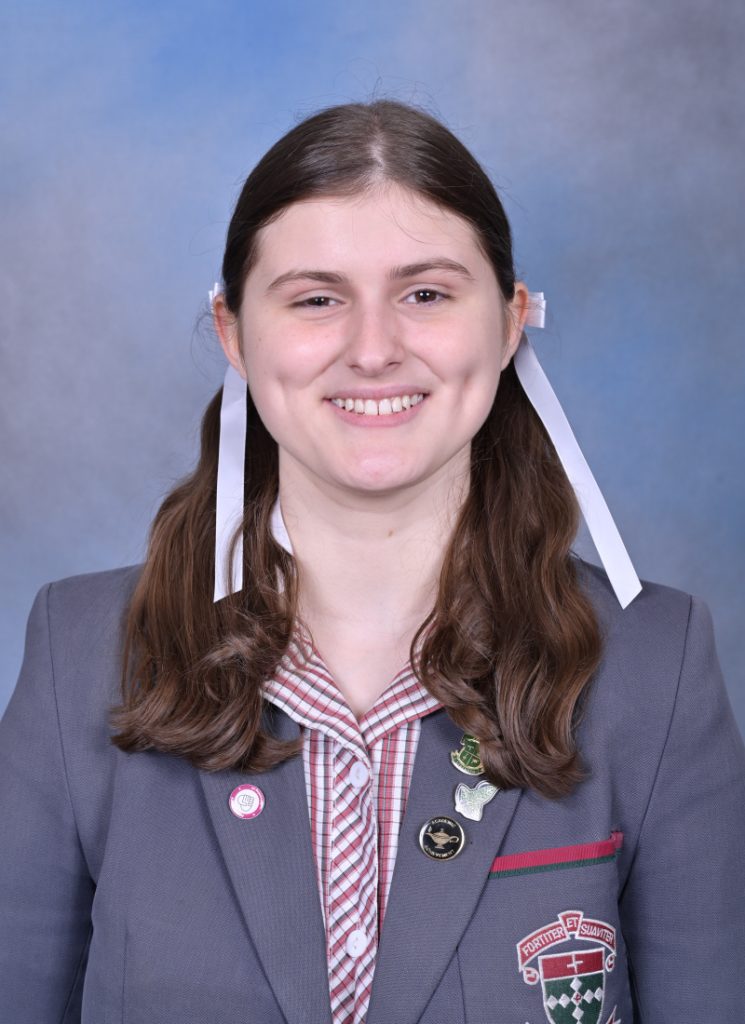
Hi everyone, my name is Madeleine, one of your STEM Leaders in 2026. This year, the STEM subjects that I am a part of include VCE Physics, Chemistry and Mathematical Methods.
Over the years, I feel like STEM has always been present in my life, even though I didn’t truly understand what it was until Year 10. In Year 10, we were given the opportunity to choose from three science electives, one focusing on Physics, one on Chemistry and Biology and the last one on Psychology and Medical Science. It was here that I began to understand what the content actually consisted of and was pleasantly surprised by the overall simplicity of the order of these different worlds.
Since as far back as Year 3, I’ve had an obsession with space and what lies beyond our little blue planet. I would memorise facts from my science books, like how Venus is the hottest planet, or Jupitor the biggest and so on. To me, that was all science was. It was an overly simplistic version of, what in reality, was something far bigger. To my surprise, space included more than just planet fun facts, but the laws of physics, chemistry and even biology. Of course, I know this now, but in Year 10, I didn’t and had I not participated in all of the science electives, I genuinely wouldn’t have been able to fully understand the realm of what I was so deeply passionate about.
Now what’s the point of all of this? Well, a lot of past pupils I’ve heard speak about STEM have mentioned how they feared it for the longest time, or they weren’t fans of it until they just gave it a try – and while that isn’t a bad message at all, and I wholeheartedly support facing your fears to find things you’re invested in, I do want to just put it out there that, if you’re interested in an aspect of science, then go for it. If I hadn’t chosen those science electives, I probably wouldn’t be doing the subjects I am now, and I probably wouldn’t even be writing this for the newsletter! Never give up on your dreams, or your passions. You can always find ways to do what you want to do.
I can’t wait to continue helping students with their paths in STEM. Thank you and goodbye!
Introduction 3: Savithma P

Hello everyone, my name is Savithma and I am one of the College’s STEM Leaders for 2026. The STEM subjects I am currently studying include Physics, Chemistry, Mathematical Methods and Engineering at TAFE.
My STEM journey has developed over time through different subjects and experiences at school and outside of school. Last year, I chose to do computing even though I had no prior knowledge. At first it was challenging, but I really enjoyed learning something new. I especially liked working on group projects where we shared ideas and worked together to create a functional solution, and it felt rewarding to see the final result. In Physics, I also had a really fun experience during our Luna Park excursion, where I went on rides and understood how concepts like motion and forces work in real life, which made learning more interesting and easier to understand.
One of my most meaningful experiences so far has been my TAFE Engineering class. In this class, we get to work on practical tasks and build things, which helps me understand how engineering works in the real world. At first, I found it a bit challenging because there are mostly boys in the class. However, over time, it has helped me become more confident in myself and my abilities. It has shown me that I am just as capable, and it has made me more motivated to pursue a future career in engineering.
I believe STEM is important because it is part of many careers and everyday life. It also helps us think logically and solve problems. I used to think you had to be naturally “smart” to do well in STEM, but I’ve learned that it’s more about effort and practice. Anyone can improve if they are willing to try.
Thank you, and I’m looking forward to the rest of the year!
Adrienne Donoghue and Sarah Chuck
Learning Leaders: Digital Technologies and Science